%20Gradient%20%E2%80%94%20light%20to%20dark.png)
Published in Nature Communications
The problem: Three challenges, one underlying theme
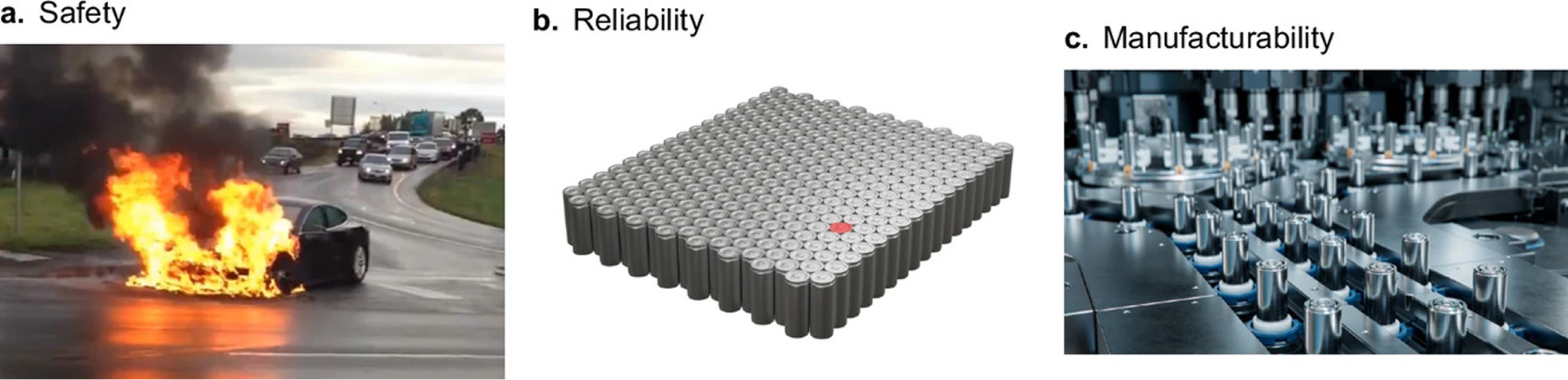
Batteries are powering more of the world every year, from phones to cars to the grid, and cell production is scaling up quickly to meet the demand. But battery cells are both difficult to manufacture at the gigawatt-hour scale and extraordinarily sensitive to small manufacturing variations. Specifically, three challenges loom over the industry:
Safety: Battery failures can have massive human, environmental, and financial consequences
Reliability: Since a single defective cell can take down an entire pack, cell-level reliability targets are punishingly high
Manufacturability: Making cells at scale, with high yield, while avoiding micron-scale defects is extremely difficult
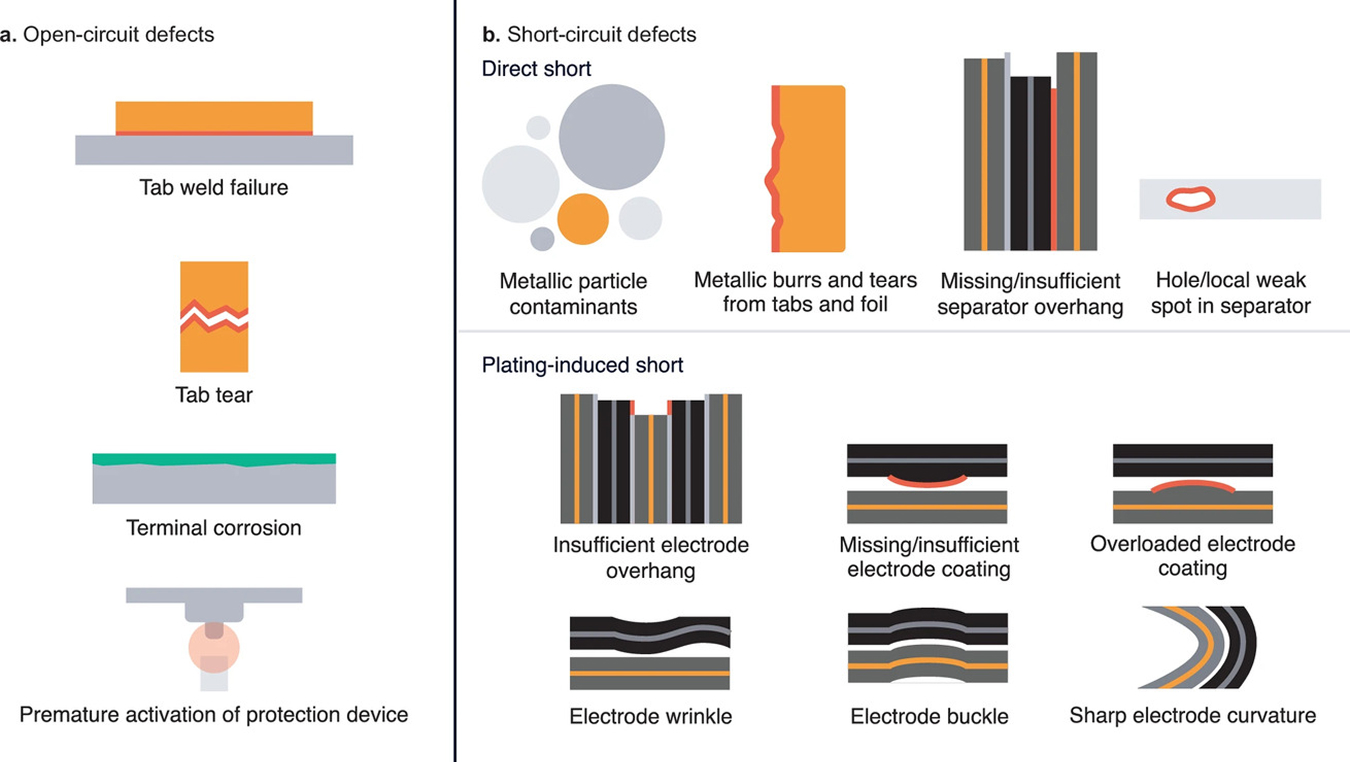
Some common battery cell defects, most on the scale of 10–100 µm, that can cause open- or short-circuit failure. Many are latent, producing no electrochemical signature until they cause failure. Reproduced from Figure 4 of Attia et al.
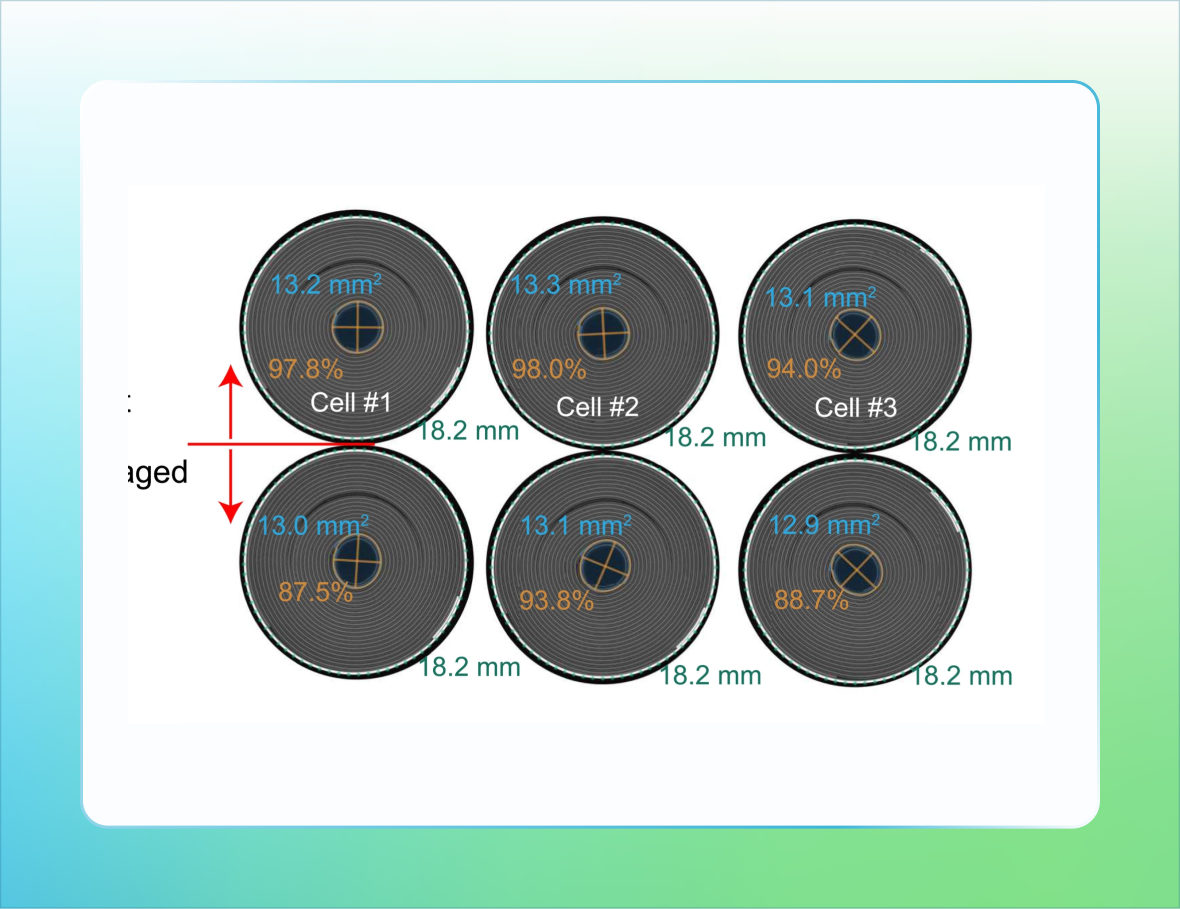
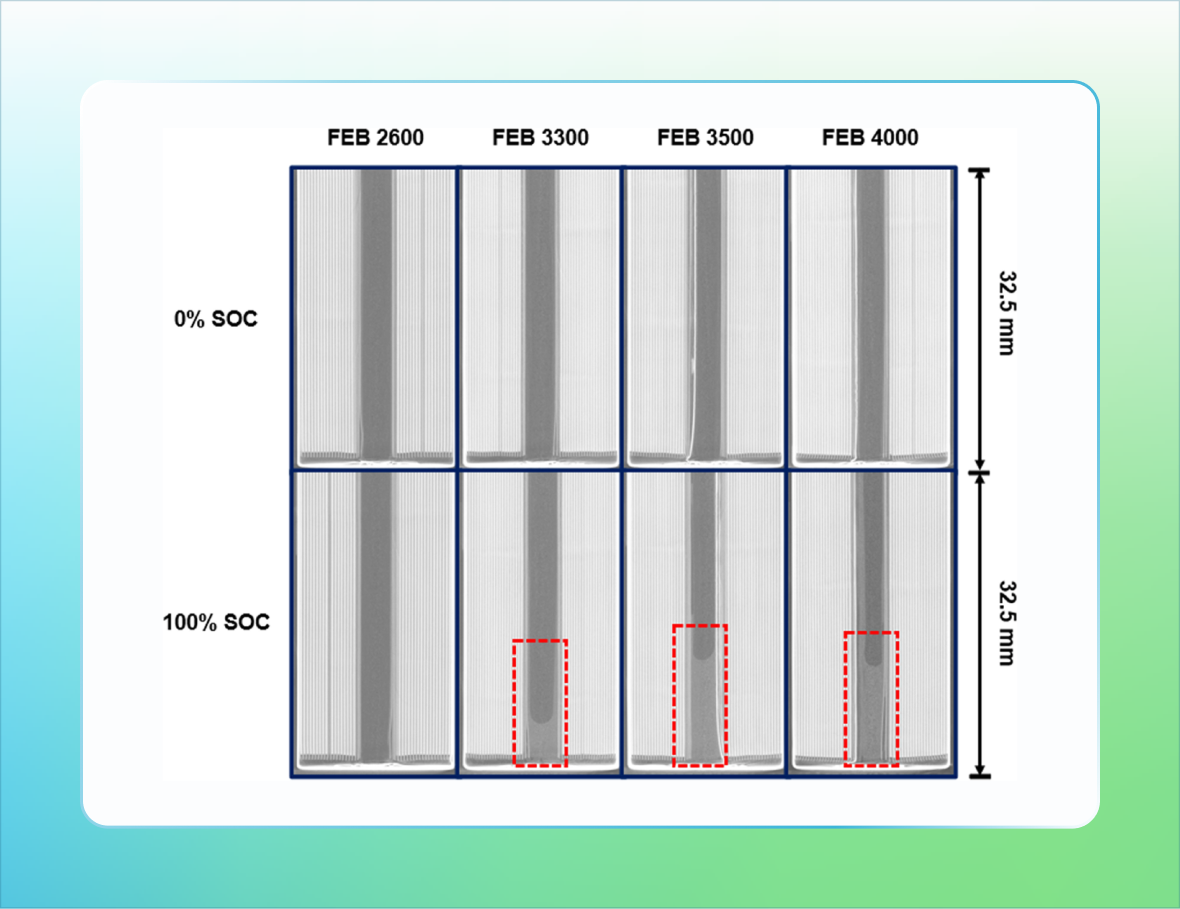
These three challenges share a common theme: battery quality. Battery cell quality comes in a few flavors, but the most conventional definition is the absence of any reliability- or safety-threatening defects. Some common cell defects include insufficient anode “overhang”, metallic particle contaminants, and tab weld failures; these defects can cause a severe decrease in capacity/energy, an open-circuit failure, or, most concerningly, a short-circuit failure.
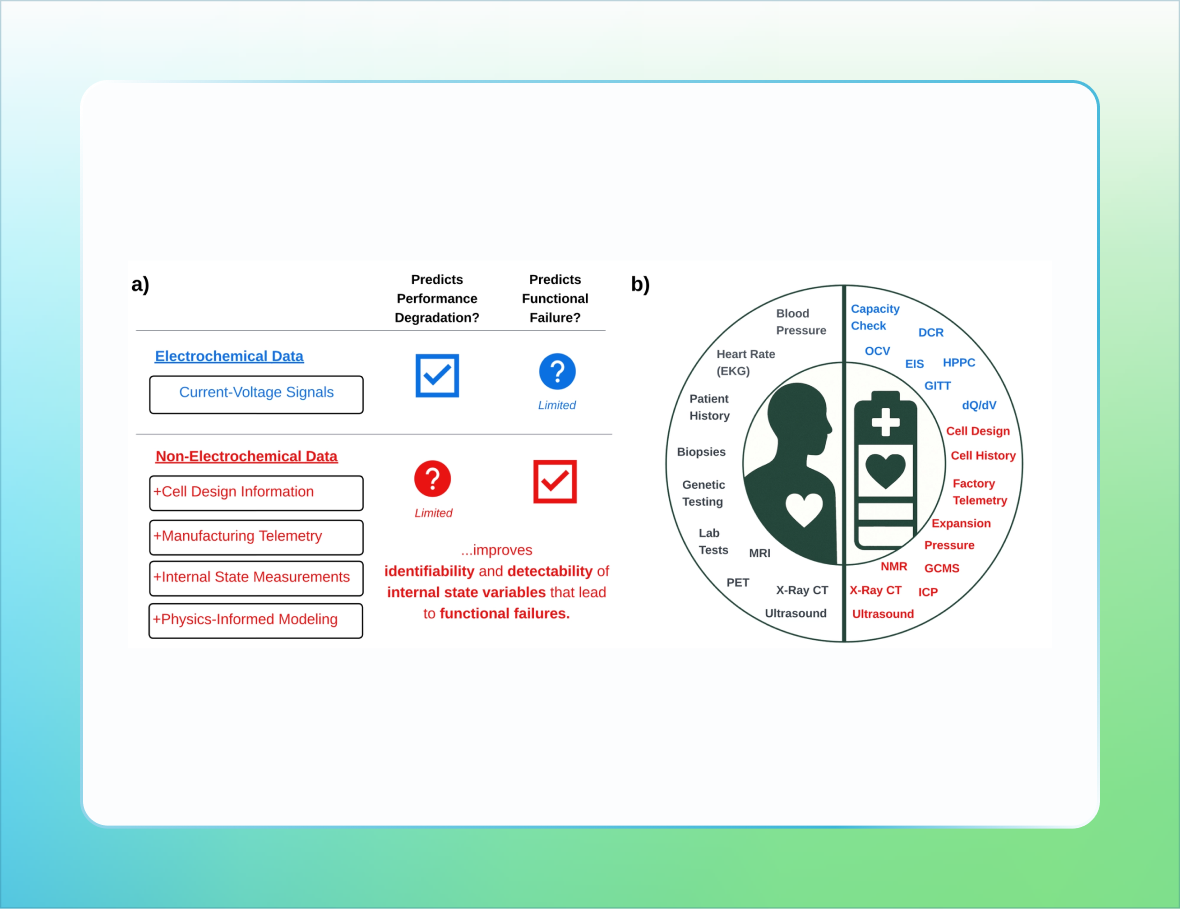
Unfortunately, these cell defects are often latent, meaning they are introduced during manufacturing but produce no electrochemical signature until they cause an issue later in life. Because electrochemical testing is, by definition, blind to these defects until it’s too late, catching latent defects requires non-electrochemical inspection. Latent defects are not unlike tumors: asymptomatic until they’ve grown large enough to threaten the patient, and invisible to “global” (scalar) vital signs such as heart rate or blood pressure.
The opportunity: Advanced characterization
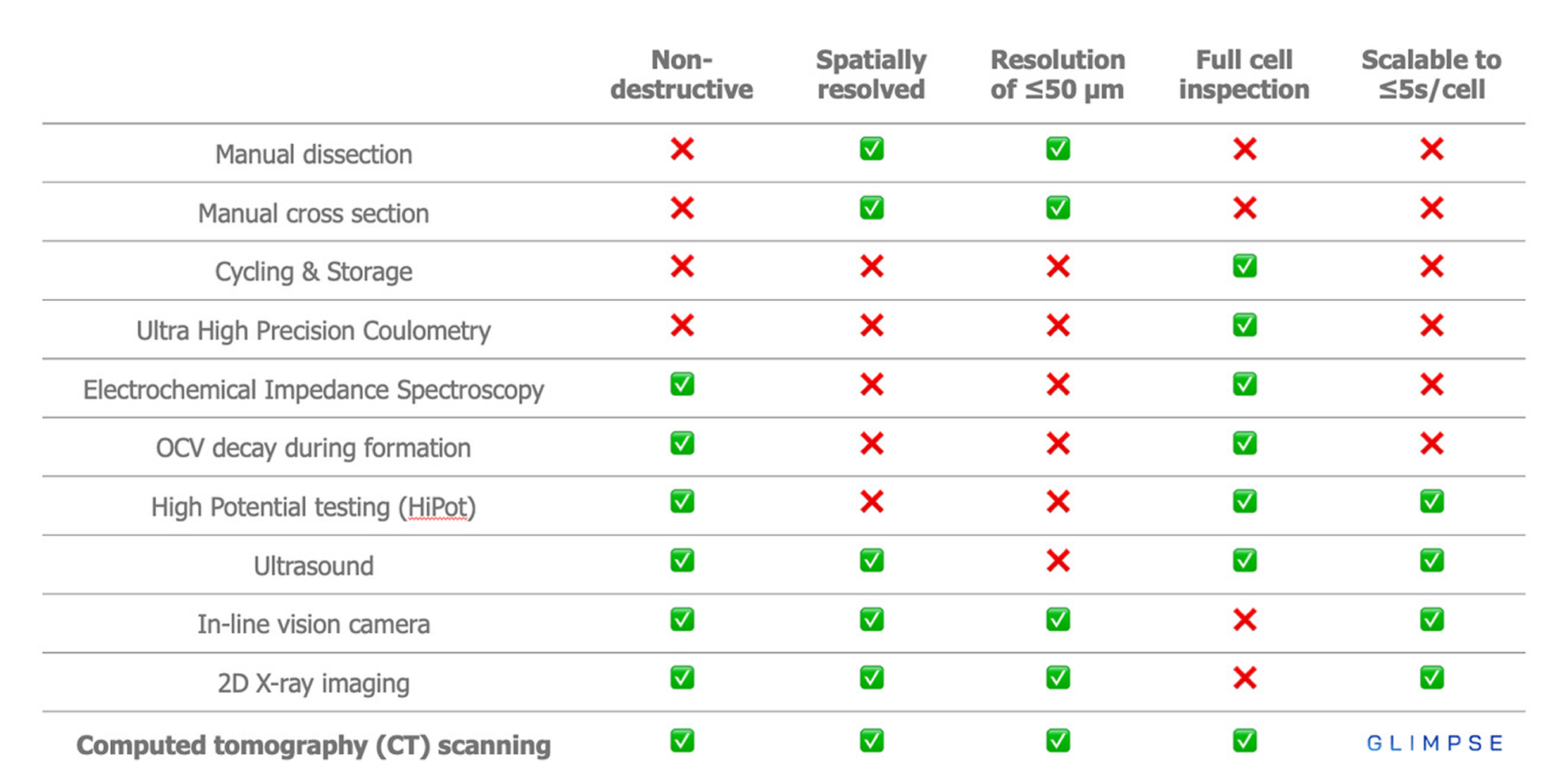
Detecting latent defects requires advanced inspection techniques. While electrochemical techniques (e.g., OCV decay) are commonly used for defect detection today, they can only detect defects that have become severe enough to cause failure. Just like tumors, latent defects require spatially-resolved techniques for detection, i.e., imaging. Among cell-level imaging techniques, 3D X-ray imaging — computed tomography, or CT — stands out: it is non-destructive and offers the high spatial resolution needed (in 3D!) to catch the defects that cause failure. CT can directly visualize the internal structure of a cell and reveal the contaminants, misalignments, and mechanical flaws that can cause failure over a cell’s lifetime.
Historically, the primary limitation of CT has been throughput. A single high-quality CT scan could take hours, and the analysis workflow was slow, expensive, and accessible to only a handful of specialists. That made CT a powerful R&D and failure-analysis tool, but not one suitable for production.
The vision: CT as a production-grade tool
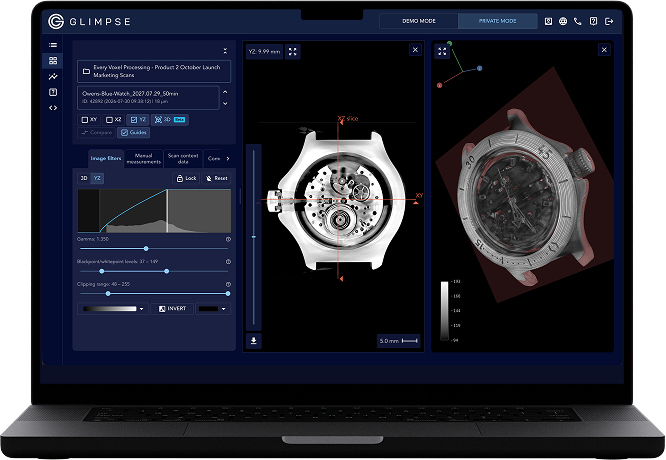
We started Glimpse to close this gap. By driving down both the scan time and analysis time of CT scanning, we are transforming this technique from a low-volume lab instrument into a high-throughput inspection tool that can keep pace with modern battery cell quality control. Our mission is to enable battery quality at scale and thus safe, sustainable electrification.
This paper is the intellectual foundation for that mission. Contact us to learn how high-throughput CT scanning can support your own battery quality efforts.