
Joanna Stern, Wall Street Journal columnist, turns to Glimpse co-founder and CTO Peter Attia for the electrochemistry underneath a very common complaint.
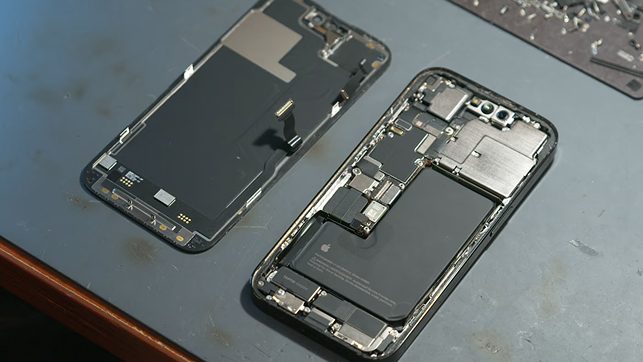
Stern's own iPhone 14 Pro had fallen to 87% maximum capacity after a single year, and the culprit turned out to be charge cycles. Peter explained why that math is so unforgiving — frequent charging, especially more than once a day, is “a major risk factor for batteries,” because every charge reduces the amount of active lithium in the cell. Heat does the rest of the damage, whether it arrives from a hot day, fast charging, or a processor working too hard. The column's capacity-versus-cycles chart is drawn from Peter's own 2022 research in the Journal of The Electrochemical Society.
By the numbers
- 87% maximum capacity on a one-year-old iPhone 14 Pro
- 494 charge cycles logged in that first year
- 500 cycles — the point at which Apple rates its batteries to retain 80% of original capacity
- $89–$99 to replace the battery, against the price of a new phone
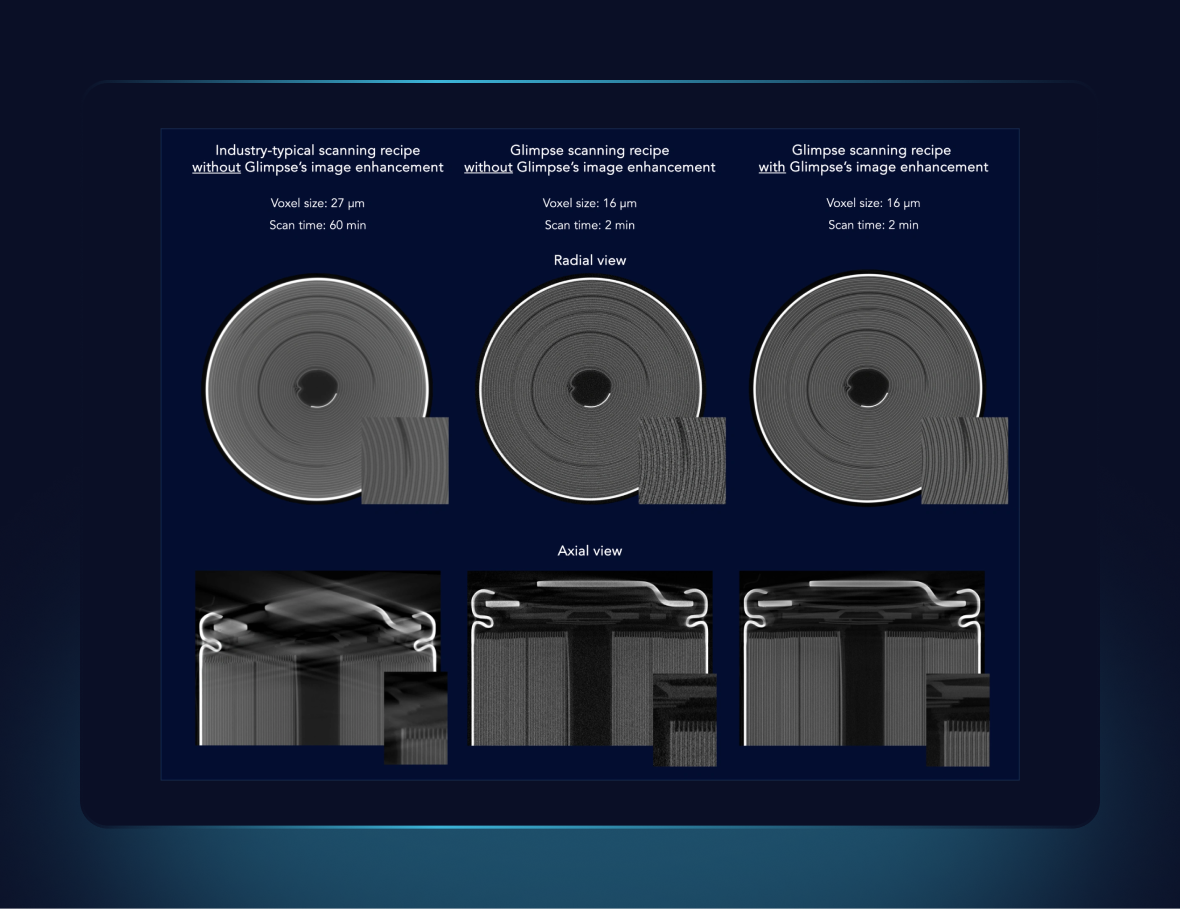
It's a consumer story rather than an industrial one, but it rests on the same premise as Glimpse's work at gigafactory scale: what happens inside a cell determines how long it lasts, and you can't manage what you can't see.
You can read the article here (subscription required).