
Glimpse co-founder and CTO Peter Attia sat down with The Electrochemical Society (ECS) for its webinar series to talk through one of the industry's most underappreciated problems: how to actually control battery quality as production scales. The live session, “Enabling battery quality at scale,” was followed by an audience Q&A. ECS later published Peter's written answers to the questions there wasn't time to reach on air.
The exchange is a compact tour of why CT scanning belongs at the center of battery quality control. A few of the threads Peter picked up:
- Why defects matter more than people think. In a pack of cells wired in series, a single open-circuit failure can take down the entire string—the old Christmas-tree-lights problem. Quality isn't a statistical nicety; one bad cell can fail a whole pack.
- What CT catches that nothing else does. Electrode overhang violations, electrode buckling and wrinkling, metallic particle contamination, and more—defects that are effectively invisible to coulometry-based testing.
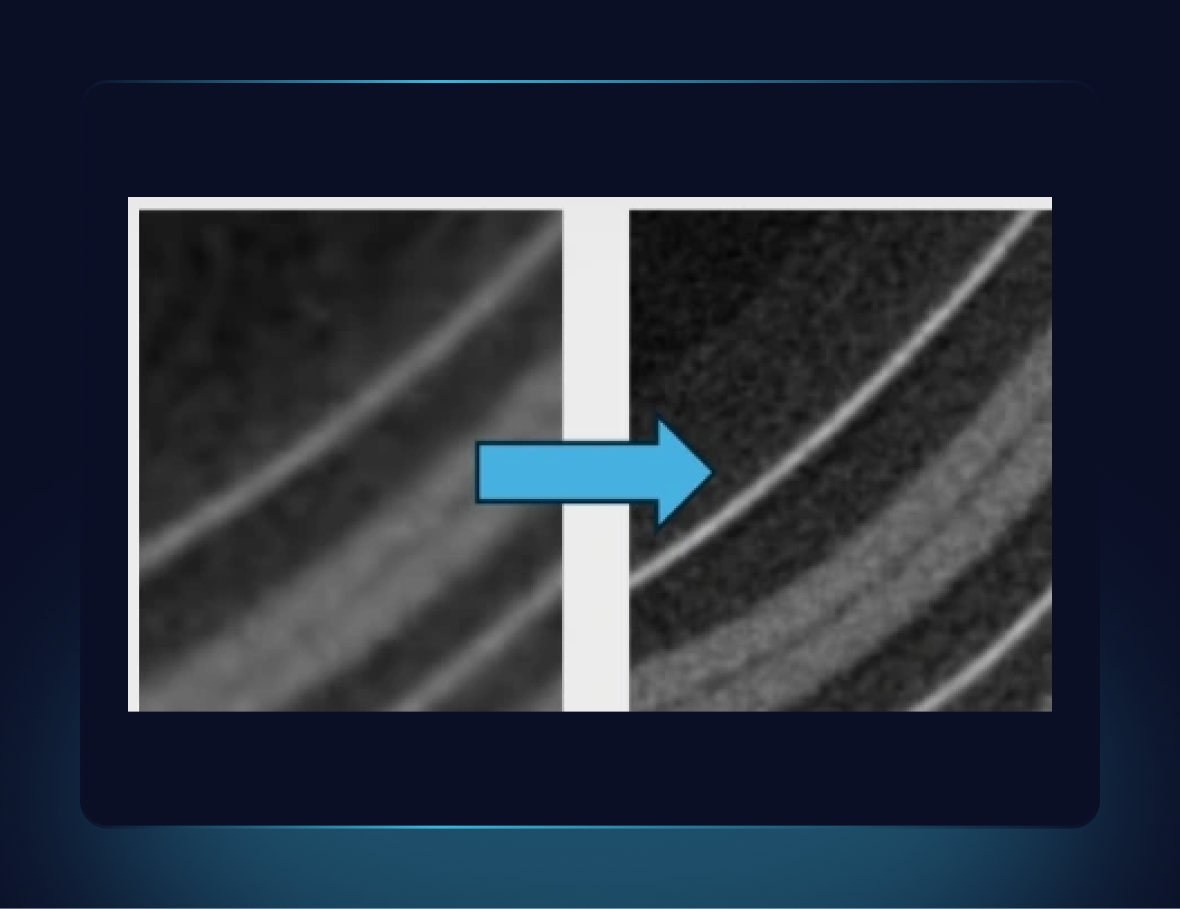
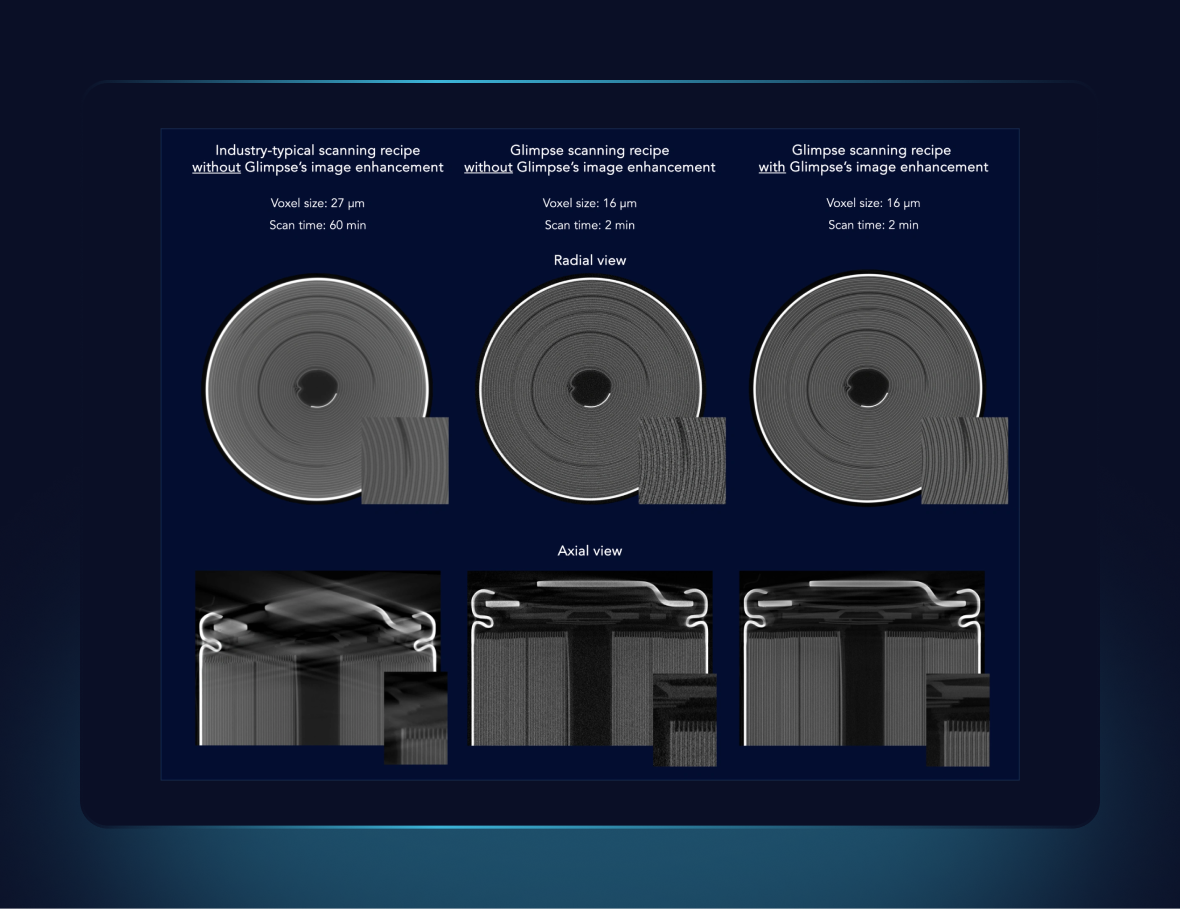
- Where AI fits. Faster scans and better images, automated defect detection in CT data, and correlating scan data with production data to root-cause quality issues.
- CT as a complement to electrochemistry, not a replacement. Periodic scanning across cycle-life tests or states of charge, with the two techniques together catching more issues than either alone.
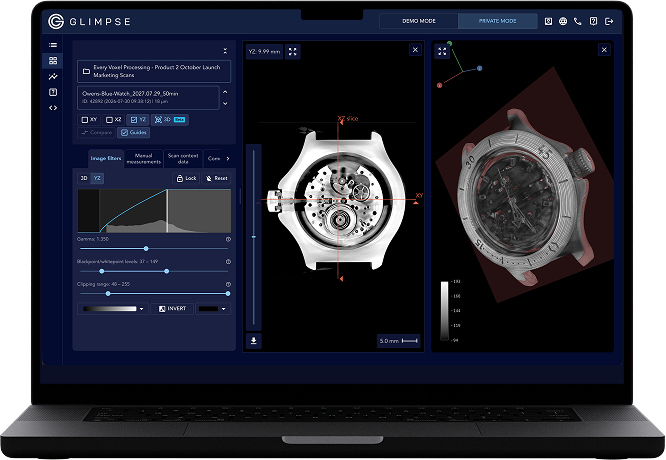
- Practicality for the factory floor. No specialized scanner is required—Glimpse improves throughput and image quality on off-the-shelf systems, and is co-developing a next-generation scanner aimed at seconds per cylindrical cell. Analysis time in the Glimpse Portal is already seconds per cell.
- Chemistry-agnostic by design. LFP, NMC, lithium-metal, sodium-ion, sodium-metal—CT works as long as the anode and cathode differ in elemental composition, which is nearly always true.
The webinar was sponsored by BioLogic. A replay is available from ECS (registration required).
You can read the full Q&A here.